Updated
What happens on a service visit
Every rental of more than a few days comes with scheduled cleaning. On each visit, the driver works through the same routine so every unit is left ready for the next week:
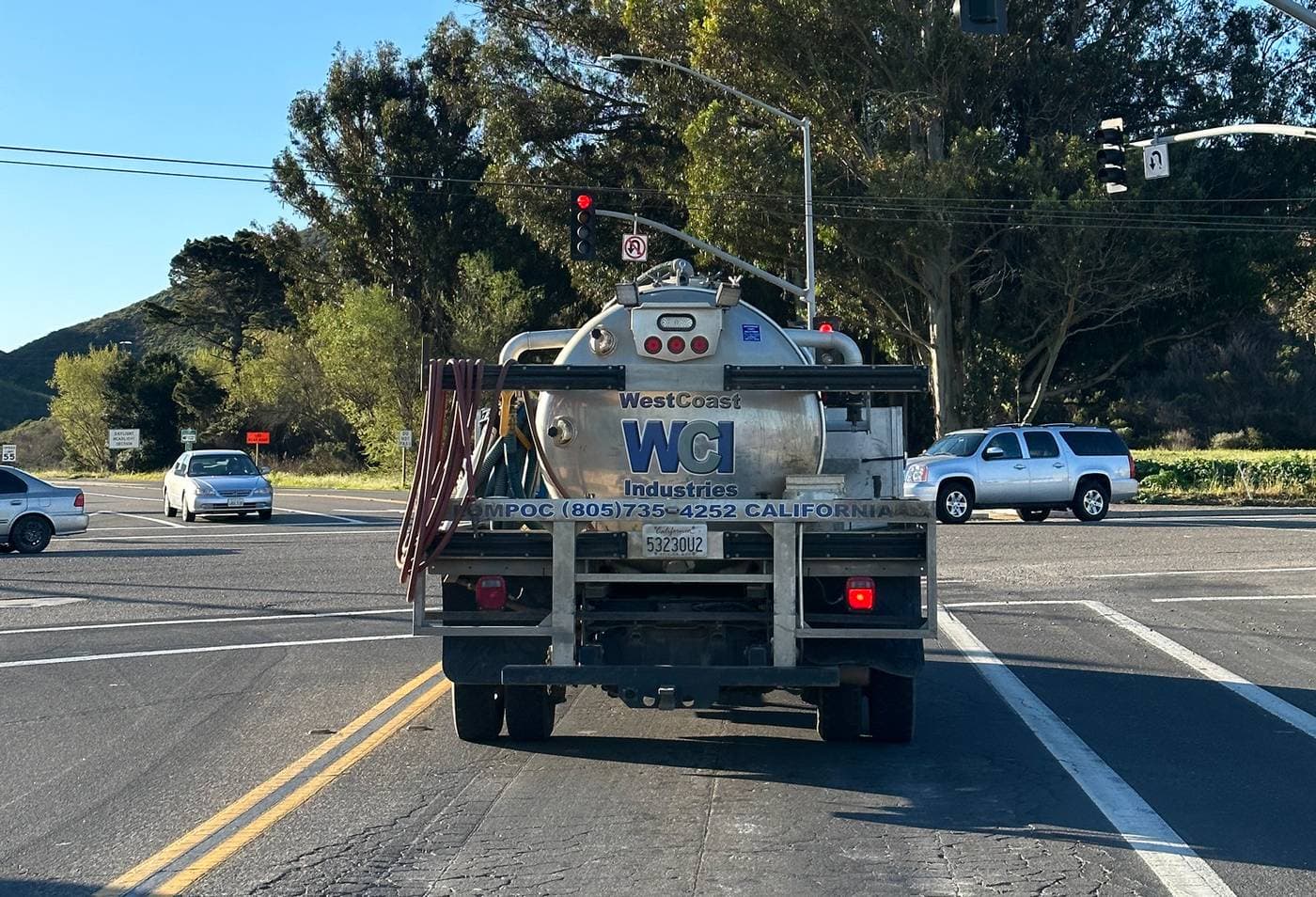
- Pump the waste tank empty with the truck's vacuum hose.
- Recharge the tank with fresh deodorizing chemical.
- Clean and sanitize the seat, the urinal and the surfaces people touch, and wipe down the inside.
- Restock toilet paper, and soap or hand sanitizer where the unit has it.
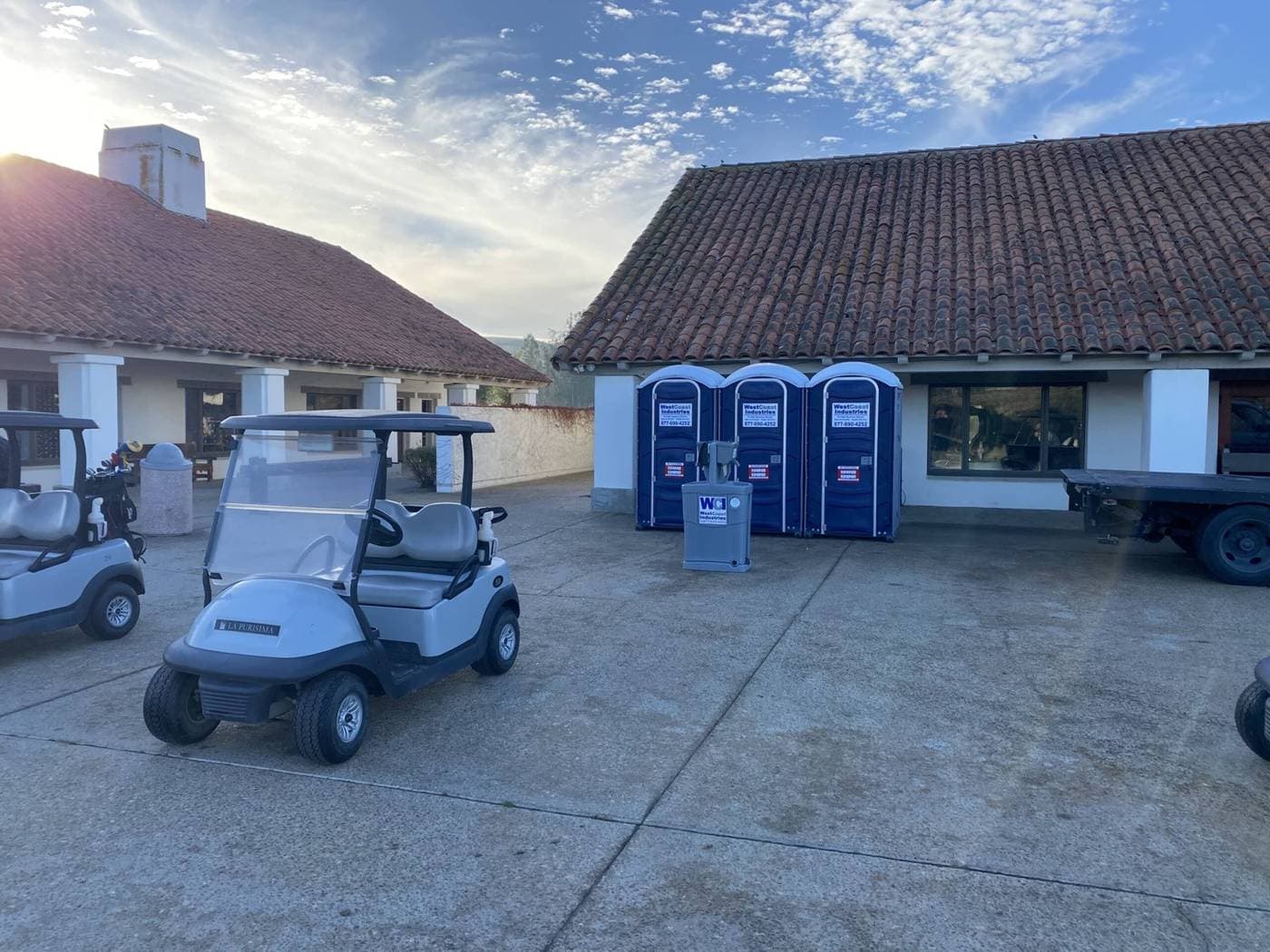
- Refill hand washing stations with fresh water and soap.
- Check doors, latches and vents for damage, and tell you if something needs a repair or a swap.
That is what we mean by "pumped, sanitized and restocked" on our services page. It is the same on a standard porta potty at a job site and a deluxe unit at a long-running event.
Schedules you can pick
Weekly is the usual schedule for crews and job sites. We also run twice a week, every other week and monthly schedules, and add extra visits whenever you need them, for example after a busy weekend or before an inspection.
The right schedule depends on how many people use each unit, how many hours a day, and the weather. Heat speeds up odors and fills units faster in practice, because crews drink more water. The table below is how we usually start a conversation, not a promise and not a regulation.
| Situation | Usual starting point |
|---|---|
| Small crew, regular 40-hour week | Weekly |
| Large crew, long days or summer heat | Twice a week, or more units on weekly service |
| Light use: a remodel with 1 or 2 workers | Every other week can be enough |
| Seldom-used unit: a yard, a gate or a standby site | Monthly, with extra visits when needed |
| Multi-day event or festival | Cleaning between days, or daily |
| Holding tank on an office trailer | Set by tank size and use, adjusted after the first weeks |
When a unit fills too fast, there are two fixes: more visits or more units. More units often work better for big crews, because the line at break time gets shorter too. For holding tanks, we set the pump-out schedule at the start and change it if the tank fills faster than expected.
What the rules say about keeping units clean
Neither OSHA nor Cal/OSHA sets a number of service visits per week. They set a standard you have to meet at all times, and the schedule is how you meet it.
- Farm field crews: California's field sanitation rule requires toilets to be operational, clean and sanitary and in good repair at all times, and the employer must keep written records of service and maintenance for two years (Title 8 §3457(c)(3)(B)). Keep the service tickets we leave you.
- Construction sites: toilets must be kept clean, in good working order, private and supplied with toilet paper (Title 8 §1526(d)).
For the full rules on numbers and placement, see our guides on field sanitation for farm crews and construction site restrooms.
What helps on your side
- Keep a clear path for the service truck to reach each unit. Our hose is long, but not endless.
- Give us gate codes, lockbox details and any site check-in rules, and tell us when they change.
- Tell us before you move a unit or before the crew moves to another block or another site. We can move units for you.
- Call when something is wrong: a broken latch, a tipped unit, vandalism or a unit full ahead of schedule.
- Let us know when the job is wrapping up so we can plan the last service and the pickup.
Signs your schedule should change
- Units are close to full, or out of paper, before the next visit.
- Workers complain about odor, especially on hot days.
- Your crew grew, or you added a second shift or Saturdays.
- The opposite: units are barely used, and every other week would do.
Any of these is a quick call. We serve job sites, farms and events from our yard in Lompoc, north to Santa Maria and Paso Robles and south to Santa Barbara and Ventura. Ask for a quote and tell us the headcount, the hours and how long you need the units; we'll suggest a schedule with the price.
Quick answers
What's included in weekly porta potty service?
Each visit we pump the tank, recharge it with deodorizer, clean and sanitize the inside, restock toilet paper and soap or sanitizer where the unit has it, refill hand wash stations and check for damage.
Is weekly service enough?
For a small crew on a regular work week, it usually is. Large crews, long days, heat or events often need twice-weekly service or more units. We adjust once we see how fast the units fill.
Does the law say how often a porta potty must be serviced?
No set number of visits. Cal/OSHA requires units to be clean and sanitary at all times, and farm employers must keep written service records for two years.
Can I add an extra service visit?
Yes. Call or ask in your quote and we'll add a visit, for example after a busy weekend or before an inspection.
Sources
This guide is general information, not legal advice. Rules change; check the linked regulation and your permit or contract.